Exporting to Saudi Arabia | 2026 Complete Exporter Guide
Exporting to Saudi Arabia has become one of the more attractive moves for manufacturers and distributors chasing growth beyond saturated home markets, since the Kingdom’s Vision 2030 agenda keeps pulling in construction materials, consumer goods, food products, and medical equipment from every continent, and this steady demand rewards companies that understand the paperwork, certification, and customs steps before a single container leaves the origin port, which is exactly what this guide walks through, from SABER and ZATCA requirements to packaging rules and realistic cost timelines every exporter needs to plan around.
Why Exporting to Saudi Arabia Is a Smart Business Move?
Exporting to Saudi Arabia is drawing manufacturers and distributors worldwide, since Vision 2030 keeps opening genuine openings for foreign suppliers who move early, and that shift is reshaping how the region sources everything from building materials to packaged food nationwide.
- Vision 2030 diversification driving fresh demand across construction, healthcare, and retail sectors nationwide
- A growing, young population with rising purchasing power spread across major Saudi cities
- A strategic location linking European, Asian, and African trade routes through modern ports
- Trade agreements within the GCC customs union that ease onward regional distribution for exporters
Early movers who study this market now typically outpace competitors still weighing the decision, whether they are exploring how to export from Europe to Saudi Arabia or shipping from any other region, so mapping the opportunity today saves months of catch-up later.
What Are the Key Requirements and Documents for Exporting to Saudi Arabia?
Companies searching for how to import goods into Saudi Arabia quickly learn that every shipment needs a specific paper trail lined up well before departure, since Saudi customs officers cross-check each document against the others and reject anything that does not match exactly.
- Commercial invoice stating value, origin, currency, HS Code, and a full itemized product description.
- Packing list matching the shipment’s exact weights, quantities, and carton counts
- Certificate of Origin, increasingly attested electronically rather than on paper for faster customs clearance.
- Import license or registration confirming the Saudi buyer’s legal authorization to receive goods
Missing paperwork remains the single biggest cause of port delays, so exporters should confirm every file matches the shipment description before booking freight and double-check names, values, and quantities across every document.
Read more : What Is a Product Lab Testing Service & How It Works
How to Get SABER Certificates for Your Saudi Shipments?
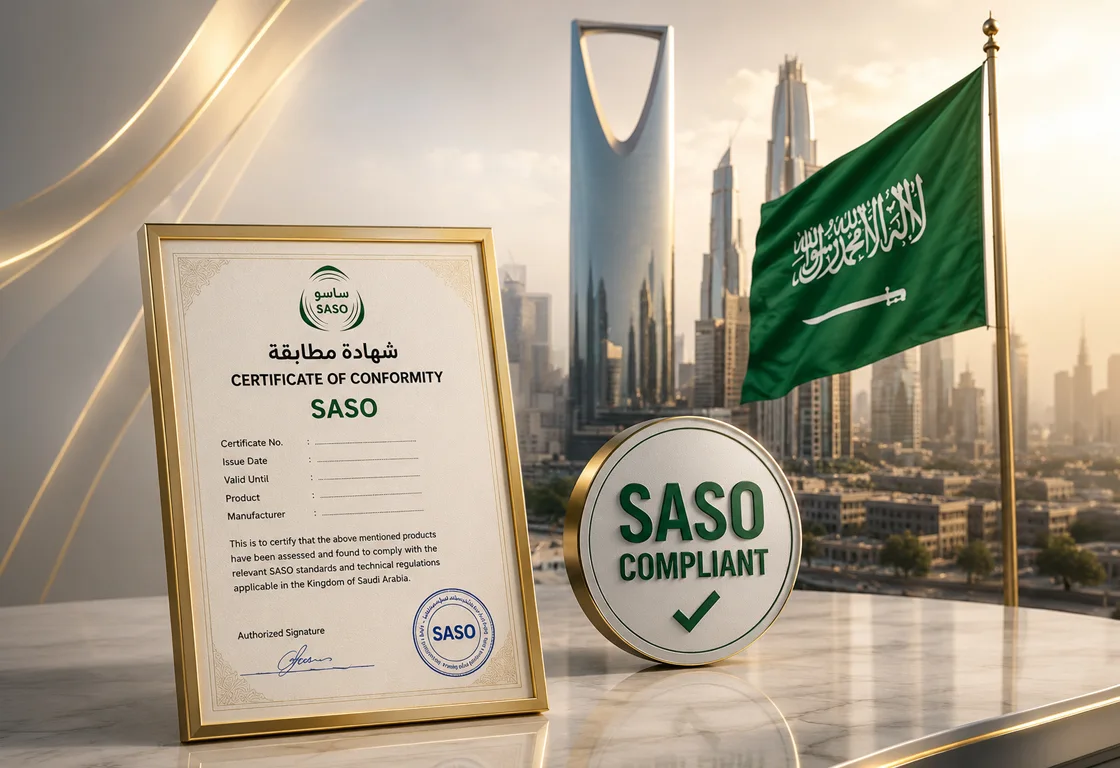
SABER platform is Saudi Arabia’s mandatory gateway for proving product conformity before customs will release a shipment, and every SASO-regulated product must pass through it regardless of origin or shipment size.
- Registering the manufacturer and product profile on the SABER portal in advance
- Obtaining a Product Certificate of Conformity from a SASO-accredited assessment body
- Securing a Shipment Certificate of Conformity for each individual consignment before departure
- Applying the SASO Quality Mark where the specific product category requires it
Exporting to Saudi Arabia through SABER-registered channels keeps shipments moving instead of sitting in customs holding areas, and it spares exporters the fines that apply to unregistered consignments.
What Are the Customs Duties, ZATCA Rules, and the FASAH Platform?
Once goods reach Saudi ports, the import procedure in Saudi Arabia shifts to ZATCA rules that determine the duties owed and the clearance path ahead, and getting this stage wrong can add days or weeks to delivery.
- Standard customs duty rates based on the product’s HS Code, ranging from 0 percent for exemptions to 25 percent for certain locally protected goods.
- Value Added Tax applied at the current Saudi rate on most imported goods
- Electronic clearance processed entirely through the FASAH single-window digital platform
- Checks against Saudi Arabia’s restricted and prohibited item list before release
Understanding these charges before quoting a buyer protects profit margins, and it keeps exporting to Saudi Arabia financially predictable for both sides of the transaction.
Read more : SFDA Cosmetics Registration Guide 2026 | Certalis Global
What Are the Packaging and Labeling Standards for Saudi Arabia?
Saudi customs officers reject shipments over packaging details that seem minor everywhere else, and the standards apply to nearly every consumer category entering the Kingdom, from packaged snacks to imported skincare products.
- Bilingual Arabic and English labeling required on all retail-facing packaging
- Country of origin marked clearly and permanently on the outer carton
- Production and expiry dates shown for food, cosmetics, and pharmaceutical items
- Batch and barcode information matching the SABER certificate on file exactly
Getting labeling right the first time avoids repackaging costs that erode profit on otherwise straightforward exporting to Saudi Arabia shipments, since relabeling at port adds both time and expense.
What Are the Costs and Timelines for Exporting to Saudi Arabia?
Budgeting for exporting to Saudi Arabia means accounting for more than freight and product cost, since certification, attestation, and clearance fees add up quickly across a full shipment cycle from origin to final delivery.
- SABER certification fees that vary by product risk category and certificate type
- Chamber of commerce attestation charges billed in the origin country
- Customs clearance and FASAH processing time of two to five working days
- Extra buffer time built in for random inspection or laboratory testing holds
Building these figures into a project timeline from day one prevents the missed delivery dates that damage buyer relationships and strain long-term partnerships.
Read more : What Does Certificate of Conformity Mean ?
Why Choose Certalis Global for Your Saudi Exports?
Certalis Global has guided manufacturers and traders through Saudi market entry across multiple product categories for years, handling the certification work that most exporters would rather not manage alone while keeping shipments compliant from the first application.
- End-to-end SABER and SASO certification management from a single point of contact
- Direct coordination with accredited labs and independent conformity assessment bodies
- Document review that catches errors before they ever reach Saudi customs
- Ongoing regulatory updates so certificates stay valid across every future shipment
Certalis Global turns exporting to Saudi Arabia into a predictable process instead of a guessing game, and the team is ready to review a shipment’s requirements and recommend the right certification path today.
FAQs
Can I export to Saudi Arabia without a local importer?
No, customs clearance requires a Saudi importer with commercial registration, except foreign companies holding a MISA investment license with a legal entity in the Kingdom.
What happens if my shipment arrives without SABER certification?
Customs holds the shipment at port, and the exporter faces storage fees, fines, or possible re-export until certification is completed and verified.
Does SABER apply to food and cosmetics?
No, food and cosmetics are excluded from SABER and register exclusively through the SFDA’s Ghad platform before entering the Saudi market.
Is a Certificate of Origin required for all shipments?
Nearly all commercial shipments need one, since customs uses it to confirm origin, apply the correct duty rates, and verify trade agreement eligibility.